




What Is a Hologram? Advanced 3D Imaging Techniques for Modern Printing
Hologram is a three-dimensional image created by controlling and diffracting light through specialized materials, allowing depth and dimensionality to be perceived even on a flat surface. It is an innovation increasingly used in the printing industry to enhance product prominence and security.
Optional artwork can be constructed in three layers—background, middle, and foreground. In two-layer holograms, key content in the middle layer typically overlays the key content of the background. This approach creates distinctive multi-layer effects and produces multiple color appearances.
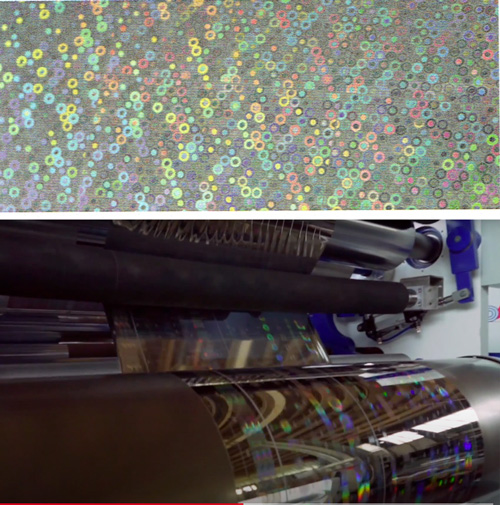
Figure 1 – Example of a stock holographic face
Decorating product labels with holographics is relatively new to the label industry and is now widely used in label graphics (Figure 1). Holographic decoration consists of two- or three-dimensional images that shift position as the viewer moves.
This type of imagery can create a wide range of holographic foils that deliver outstanding diffraction patterns, 3D security visuals, and anti-counterfeiting features (Figure 2). Because a hologram is extremely difficult to replicate, it is frequently used on labels that require high security.
Benefits of Holograms in the Printing Industry
Using holograms in print not only enhances aesthetics but also provides key advantages such as:
- Greater product differentiation
- Anti-counterfeiting protection
- Enhanced brand image
- High impact in advertising and packaging
Common Hologram Formats Used in Printing
Two-layer and three-layer holograms are the most popular formats, typically separated into:
- Background layer
- Middle layer
- Foreground layer
Each layer becomes visible depending on the viewing angle, creating perceived depth and motion.
Manufacturing the Holographic Image
A hologram is a two- and three-dimensional photographic image that appears to have depth. Holographic images are created by superimposing multiple two-dimensional views of the same object captured from different angles. A type known as the reflection hologram can be viewed under normal light.
The technology used to produce a hologram is complex, and the following manufacturing overview has been simplified to avoid excessive technical jargon. Each step focuses on producing a three-dimensional holographic image.
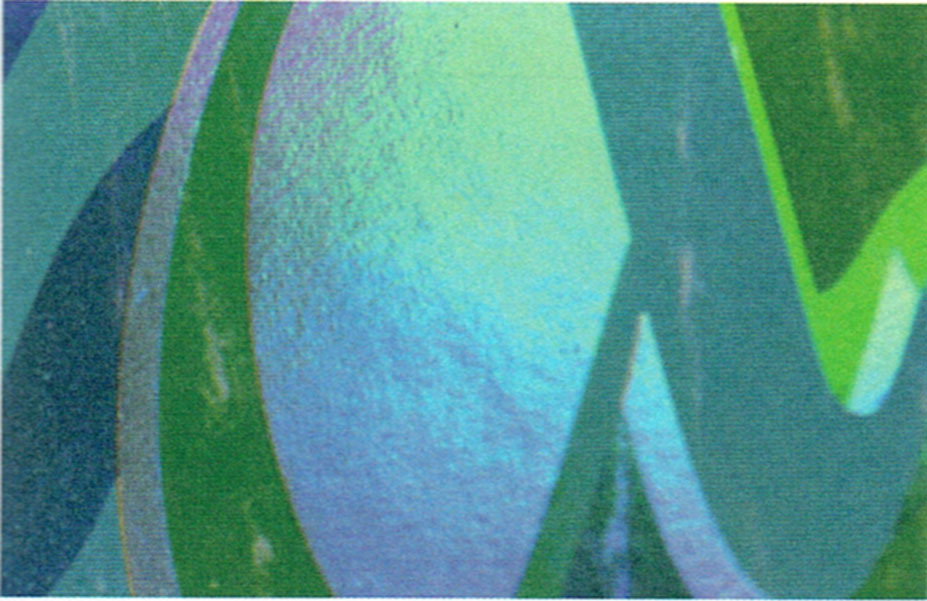
Figure 2 – Examples of holographic elements used as decorative features in label and packaging printing
Imaging
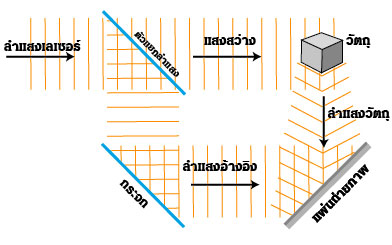
Holographic imaging is created by directing two laser beams onto a photo-resist plate, where both beams interact with the photosensitive coating to record the object’s holographic image (see Figure 3). It is critical that there is no movement of the photosensitive object during this process; otherwise, the image will be out of focus.
The exposed photo-resist plate now contains the holographic master and is then processed using a photographic developing solution. After development, the metal surface resembles a record with extremely fine grooves forming the image.
Electroplating
The next stage in hologram production is electroplating, which reinforces the surface of the master to improve durability. To ensure good conductivity, the master is silver-sprayed and immersed in a nickel bath. When current is applied to the tank, a thin layer of nickel is deposited onto the master.
The metal plate is then rinsed, and the thin nickel layer is separated from the master. This thin nickel layer is called a ‘master shim’ and contains the ‘negative’ of the original image. Using the same nickel-plating process with the ‘master shim,’ a ‘positive’ shim can be produced. Conversely, the ‘negative’ shim is converted into a stamping shim used to print/emboss the hologram.
The Embossing Process
Polyester film coated with acrylic serves as the carrier for the holographic image. The ‘master shim’ is mounted in the embossing die, and with heat and pressure, the image from the shim is embossed into the polyester film.
Metallizing and Finishing
Metallizing refers to coating the surface of the embossed polyester film with a highly reflective metal layer.
A roll of embossed film is placed in a vacuum chamber and evacuated. An aluminum wire is positioned inside the chamber and heated to 1100 °C, vaporizing the aluminum, which then deposits as particles onto the polyester surface. The metallized film is removed from the chamber and lacquer-coated, allowing holographic images or patterns to be overprinted if desired. The holographic film can be applied to pressure-sensitive stock via hot-foil stamping; alternatively, a pressure-sensitive adhesive can be coated on the back of the hologram for transfer onto self-adhesive labels.
As shown, the hologram manufacturing process is complex. Specialized equipment and high-level expertise are required, which is why typical printing houses generally cannot produce holograms in-house and must outsource to specialist manufacturers.
Holograms in Label and Packaging Design
Holograms are widely used in label and packaging printing, especially for premium brands or products requiring anti-counterfeiting features, such as:
- Pharmaceutical and cosmetic labels
- Electronics packaging
- Warranty/security stickers
- Security printing applications
Limitations of Hologram Production
While holograms are striking and secure, there are limitations, such as:
- Specialized equipment is required
- High level of expertise needed
- Not typically manufactured in standard print shops
- Must be ordered from specialized facilities