What Is a Brochure?
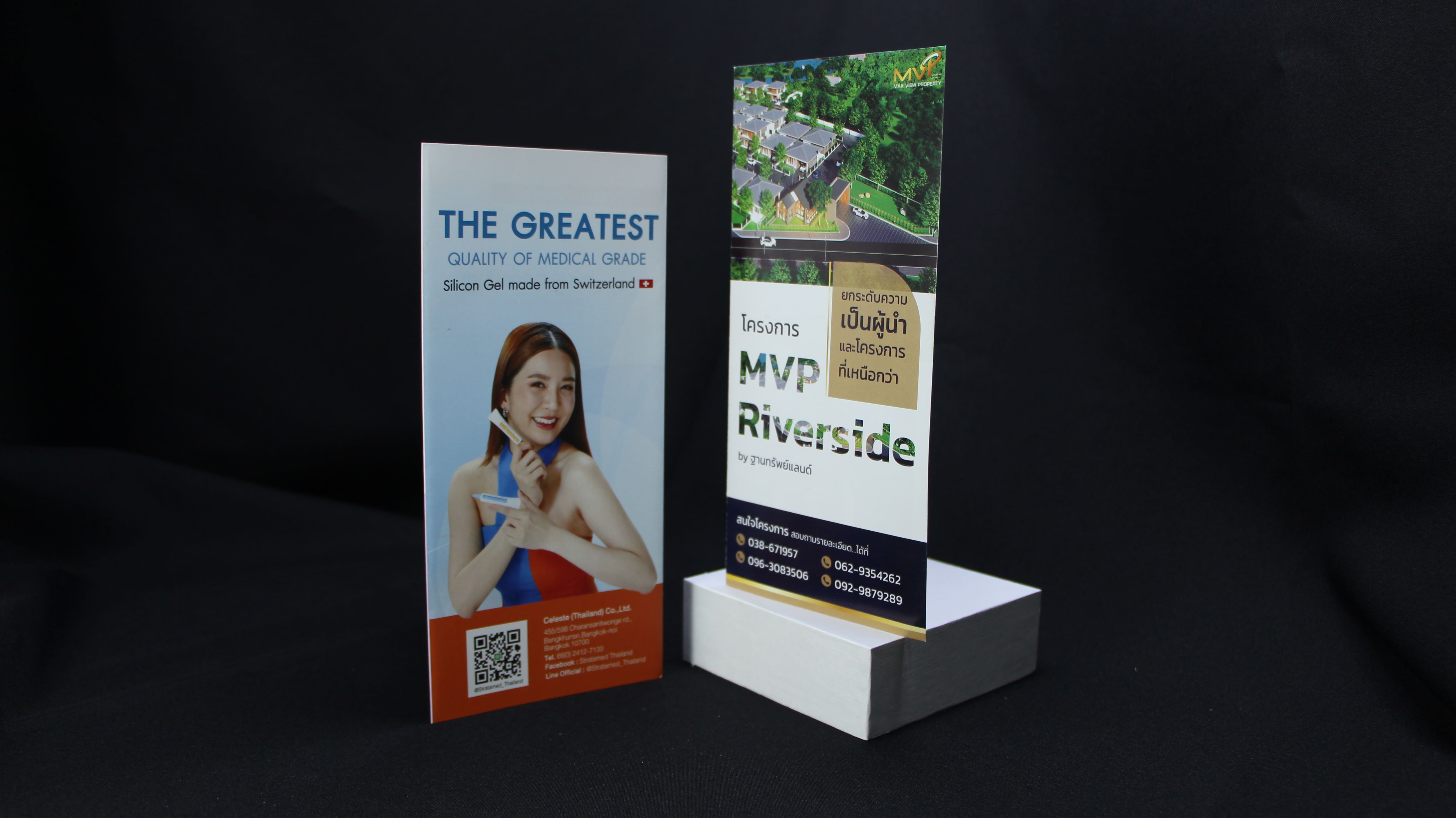
A brochure (leaflet) is a versatile, information-rich printed piece commonly used for promotional and educational purposes. It’s concise, visually engaging, and well-organized to convey key information about products, services, events, or organizations. Brochures come in many formats—from bi-folds to multi-page booklets—and play a major role across marketing, communications, and education.
Key Features of Brochures
- Visual Appeal — Use striking graphics, images, colors, and typography to attract attention.
- Concise Content — Keep copy to the point, easy to digest, and instantly understandable.
- Purposeful Layout — Organize with headings, subheads, and callouts for a clear structure.
- Portability — Compact size for easy carrying and distribution at events, trade shows, or via direct mail.
- Informative — Despite the size, provide a comprehensive overview (benefits, features, essentials).
- Multiple Formats — Bi-fold, tri-fold, gate-fold, Z-fold, and saddle-stitched booklet formats.
- Readability — Choose legible fonts, colors, and type sizes for clarity.
- Information Hierarchy — Guide readers through content and emphasize key points.
- Clear CTA — Encourage actions such as purchasing, attending events, or visiting a website.
- Sustainability — Use eco-friendly substrates and inks.
- Compliance — Some industries regulate brochure content for quality and safety.
- Audience Engagement — Use persuasive language and compelling visuals to involve readers.
Types of Brochures
- Bi-Fold: Folded once, yielding four panels.
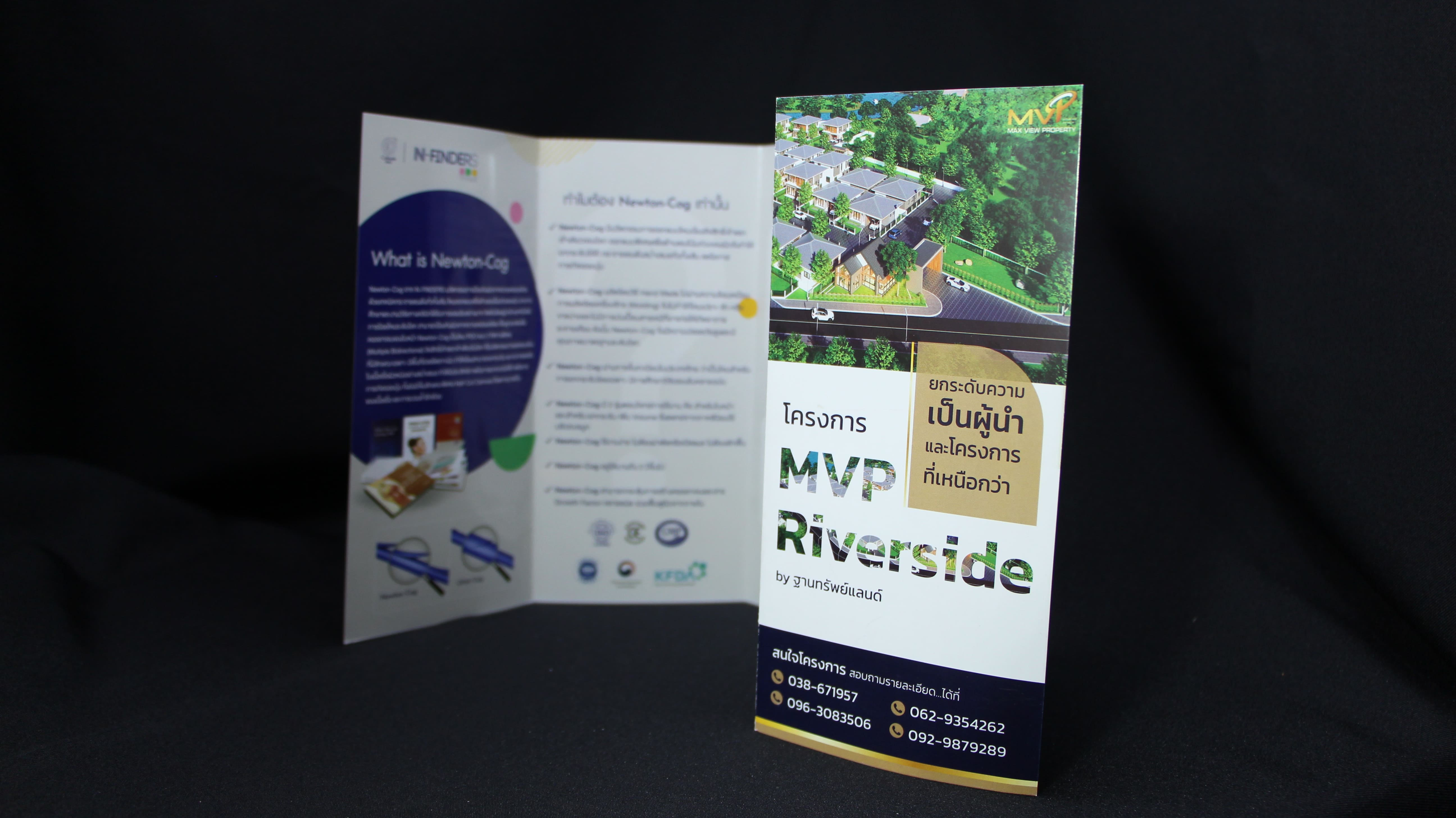
- Tri-Fold: Popular format; three sections, six panels.
- Gate-Fold: Two side panels open like doors to reveal a center spread.
- Z-Fold: Accordion “Z” shape with sequential panels.
- Booklet Brochure: Multi-page, saddle-stitched or bound like a small book.
Use Cases
1. Marketing & Promotion
Promote products/services; highlight key features, benefits, and pricing.
2. Event Promotion
Provide conference, seminar, trade show, and festival details—schedules, venues, registration.
3. Travel & Tourism
Inform visitors about destinations, attractions, lodging, and local activities.
4. Education
Outline programs, campus facilities, faculty background, and admission requirements.
5. Health & Wellness
Educate patients on services, treatment options, prevention, and healthy lifestyles.
6. Nonprofits & Advocacy
Raise awareness of social, environmental, and humanitarian issues; mobilize support.
7. Public Information
Government/public agencies share services, programs, policies, public health, and disaster prep.
8. Product Catalogs
Retail/e-commerce showcase products, prices, and offers.
9. Real Estate
Market listings for sale/rent with specs, photos, and contacts.
10. Arts & Culture
Promote exhibitions, performances, and cultural events; include artist profiles and descriptions.
11. Financial Services
Explain financial products, services, and investment opportunities.
12. Food & Hospitality
Present menus, specials, amenities, and event capabilities.
13. Trade Shows & Exhibitions
Handouts for visitors with company info, products, and contact details.
14. Corporate Communications
Internal/external comms—employee handbooks, annual reports, company profiles.
In short, brochures are compact, eye-catching tools designed to communicate essential information effectively. Their flexibility and suitability across purposes make them invaluable for marketing, education, and communication.