




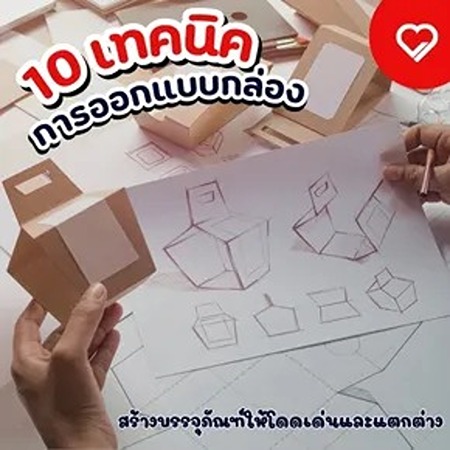
The business world today is highly competitive. Many products have similar quality, but what drives consumer choice is “packaging”—especially box design, which plays a crucial role in creating the first impression.
Packaging does more than protect products; it is also a powerful marketing tool. Good box design can make a product stand out, feel different, and build a clear brand image.
In this article, we’ll dive into 10 box-design techniques you can actually use to create packaging that is both beautiful and effective.
1. Deeply understand your target audience
Great box design starts with understanding who your customers are, for example:
-
If your target is teenagers, the design should be vibrant and trendy.
-
If they are working professionals, go for a luxurious, minimalist look.
- If they are health-conscious, use natural tones and eco-friendly materials.
2. Choose the right paper/material for the box
Box design is not only about appearance—it also includes the materials you choose, such as:
-
Art card paper – ideal for premium products
-
Folding boxboard – suited for bakeries or lightweight items
-
Corrugated board – great for shipping
-
Chipboard (rigid) – rigid boxes for premium gifts
Good materials elevate how consumers feel about your product.
3. Use colors that communicate brand identity
Color is a key element of box design because it influences psychology and decision-making, for example:
-
Red – energy, excitement
-
Green – freshness, health
-
Gold – luxury, premium
-
Pastels – softness, friendliness
Choose tones that align with your brand to build lasting recognition.
4. Choose readable fonts and typography
Text on the box should be easy to read, clear, and to the point. Use fonts that fit the product, such as:
-
Elegant, refined fonts for premium goods
-
Playful fonts for snacks and kids’ products
-
Modern fonts for lifestyle products
5. Use eye-catching visuals
Images on the box can attract customers instantly. When selecting visuals, aim for:
-
High resolution and quality
-
Direct relevance to the product, e.g., fresh fruit, cosmetics, toys
- Icons to explain usage or key features
6. Design an appropriate box structure (dieline)
The structure influences both aesthetics and function, for example:
-
Tuck-end box – convenient and economical
-
Lift-off lid box – luxurious
-
Magnetic closure box – premium and durable
Choosing the right structure makes your box design more complete.
7. Add coatings and special finishes
Post-press techniques add value, such as:
-
Matte/Gloss lamination – enhances beauty and resists scratches
-
Spot UV – highlights specific areas
-
Foil stamping – adds luxury
- Embossing – adds depth to logos or text
8. Build in real-world functionality
Good box design isn’t just beautiful—it must work in practice, for example:
-
Food boxes should open and close easily
-
Cosmetic boxes should protect products from damage
- Gift boxes should be designed for reusability
9. Tell a story through the box (storytelling)
Modern consumers value stories. Effective box design can include short copy, a logo, symbols, or a QR code to tell your brand story.
10. Consider the environment and sustainability
Sustainability is a strong trend. Box design that uses recyclable or biodegradable materials—such as kraft paper—builds a positive brand image and appeals to eco-conscious consumers.
FAQ: Frequently Asked Questions about Box Design
Q1: How important is box design for a business?
A: Extremely important. Beyond protecting the product, it creates the first impression for consumers. Well-designed boxes help products stand out, communicate brand identity, and encourage purchase decisions.
Q2: What should be considered in box design?
A: Key principles include:
-
Appropriate materials and structure
-
Aesthetics and brand image
-
Practical functionality
-
Cost effectiveness
-
Sustainability and environmental impact
Combining these factors ensures quality design for both marketing and usability.
Q3: Which materials are suitable for box design?
A: Common choices include:
-
Art card paper: For premium products
-
Folding boxboard: For snacks, soap, and bakery items
-
Corrugated board: For shipping boxes or heavier items
-
Chipboard (rigid): For rigid and gift boxes
-
Kraft paper: For eco-friendly or nature-oriented products
Q4: Can box design really increase sales?
A: Yes. Good design builds brand identity and makes products more memorable. Consumers often choose items with attractive, trustworthy packaging, which can boost long-term sales.
Q5: What are the current trends in box design?
A: Leading trends include:
-
Eco-friendly materials such as recycled paper
-
Minimal, premium-looking designs
-
QR codes or AR to bridge to the digital world
-
Vibrant colors or foil stamping for extra impact
Q6: How should I start designing a box for my product?
A: Begin by analyzing your product type and the image you want to convey. Then choose suitable materials, set color palettes and fonts, and align all elements with your brand. Finally, work with a printing house experienced in box design to ensure excellent design and production quality.
Conclusion
Box design isn’t just about looks—it’s an important marketing investment. By choosing the right materials, using appropriate colors and fonts, adding functional features, and considering sustainability, your packaging can stand out, differentiate your brand, and genuinely increase sales.