



In the world of marketing and print, promotional materials still matter—even in the digital age. In particular, brochures, folded leaflets, and flyers remain longstanding favorites: they reach target audiences directly, are cost-effective, and can be designed to look appealing.
Yet many people still wonder, “What’s the difference between brochures, folded leaflets, and flyers?” and which one best fits their business or organization. This article breaks it down in detail.
What is a Brochure?
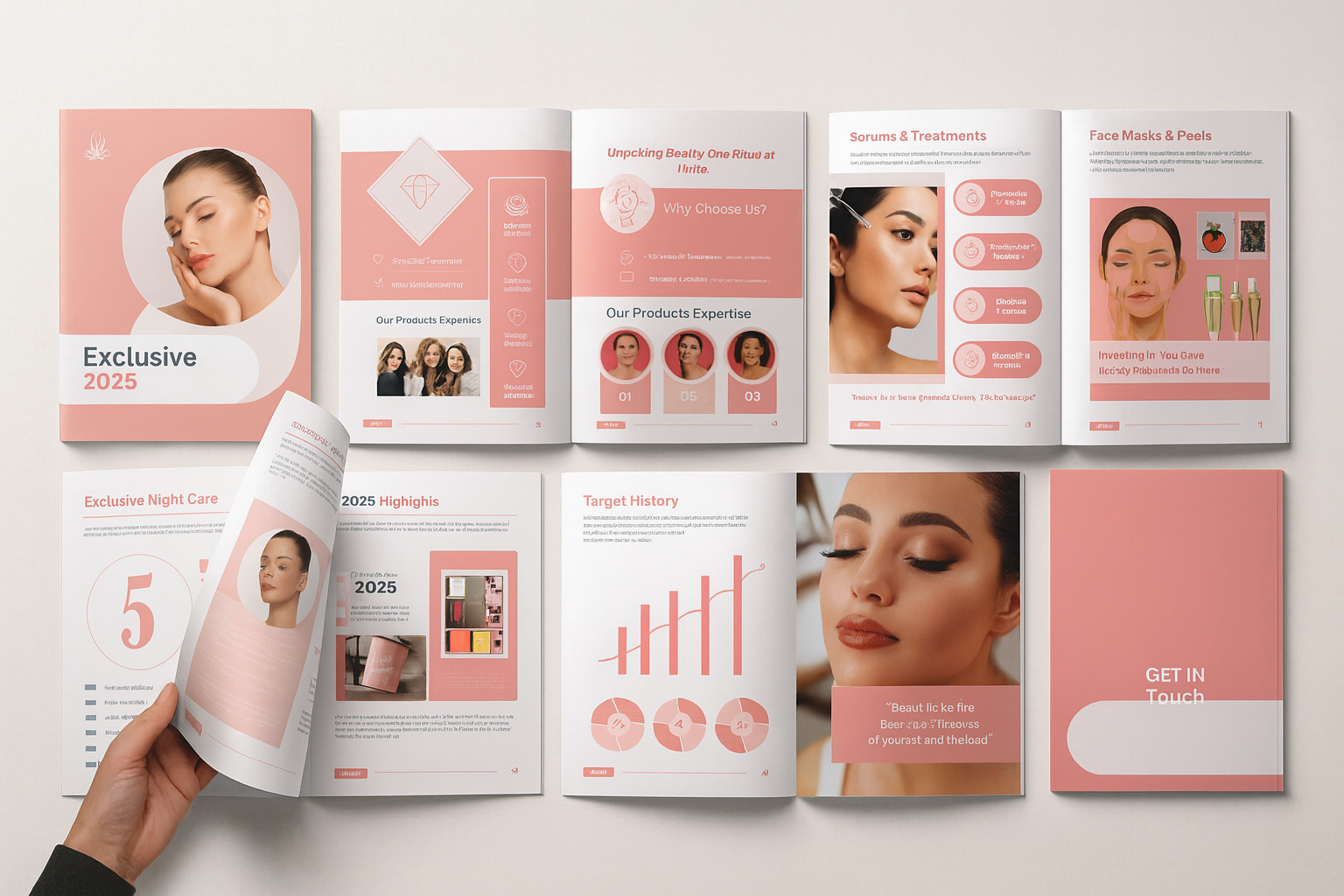
A brochure is a multi-page promotional print (typically 4–16 pages) or at least two folds. It usually uses premium stock, such as gloss or matte art paper, to impress and build credibility for your products/services.
-
Key traits:
-
Comprehensive information
-
High-quality full-color printing on premium paper
-
Ideal for in-depth presentations
-
-
Common uses:
-
Product catalogs
-
Hospital/university brochures
- Tourism and travel service brochures
-
What is a Folded Leaflet?
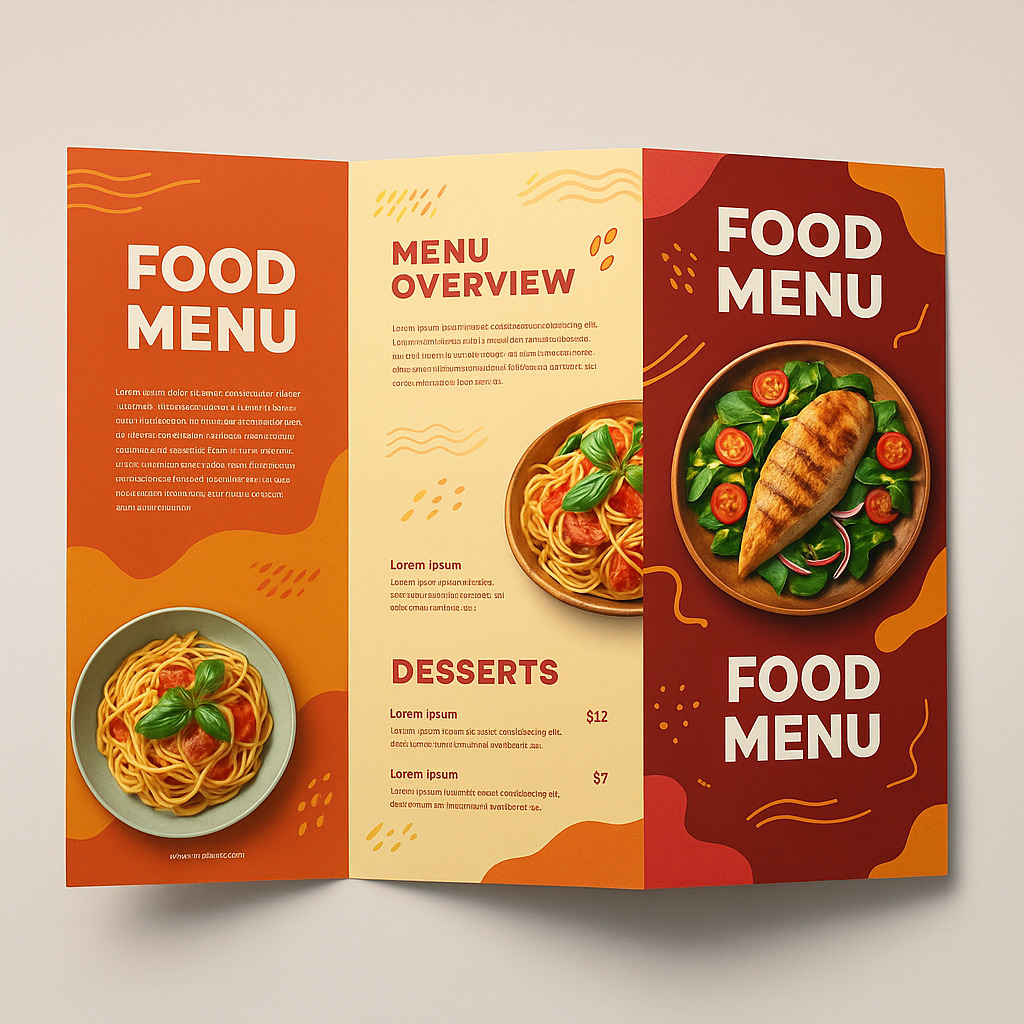
A folded leaflet divides content by folds—half-fold, tri-fold, or zigzag. Information is neatly segmented, making it easy to read and carry.
-
Key traits:
-
More space than a flyer, less than a brochure
-
More economical than brochures
-
Many design options thanks to folding styles
-
-
Common uses:
-
Restaurant menus
-
Quick-start/user guides
- Exhibition handouts
-
What is a Flyer?
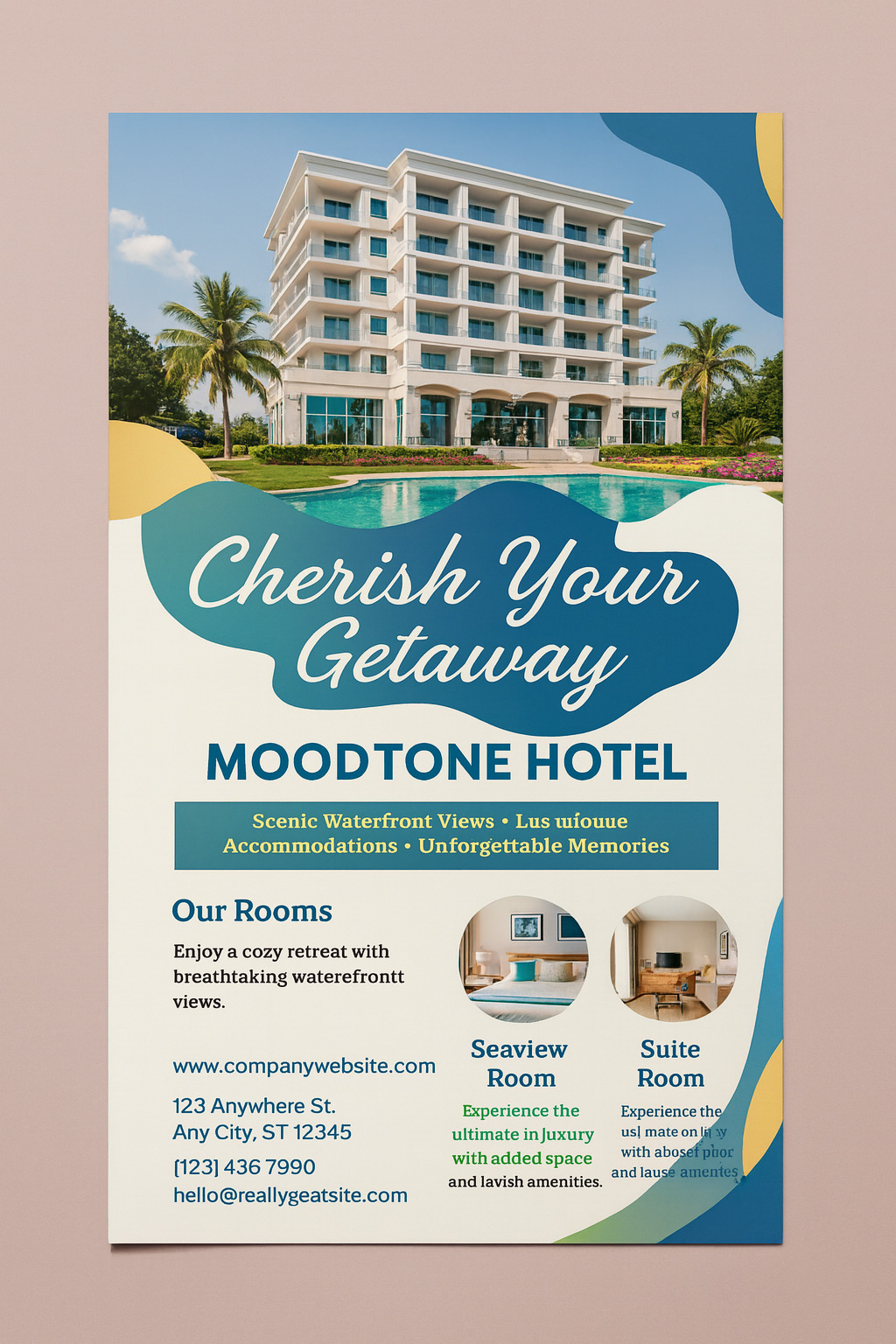
A flyer is a single sheet without folds—perfect for mass distribution and general promotions.
-
Key traits:
-
Fast to produce and low-cost
-
Great for short-term campaigns
-
Usually on thinner stock (about 80–130 gsm)
-
-
Common uses:
-
Discount promotions
-
Event publicity
- Distribution in public spaces
-
Brochure vs. Folded Leaflet vs. Flyer — Comparison Table
| Type | Pages | Format | Best for | Budget | Examples |
|---|---|---|---|---|---|
| Brochure | 4–16 pages | Bound or folded | In-depth details | Higher budget | Catalogs, product manuals |
| Folded leaflet | 2–6 pages (folded) | Half-fold, tri-fold | Concise, easy to read | Mid-range budget | Menus, quick guides |
| Flyer | 1 page | Single sheet | Fast promotion, wide reach | Most economical | Store promos, event handouts |
When to Choose a Brochure
-
When detailed specs, pricing tiers, or multiple services must be presented
-
When high credibility is needed (B2B, medical, education)
- When the material should be kept and reused (e.g., travel brochures)
When to Choose a Folded Leaflet
-
When step-by-step info is needed (how-to, maps)
-
When you want to save more than a brochure
- When portability and sequential reading matter
When to Choose a Flyer
-
For short-term promotions
-
For fast, high-volume distribution
- To reach broad audiences (street handouts, trade shows)
Design Tips to Make Brochures, Leaflets, and Flyers Stand Out
1) Brand-aligned colors & fonts
Match your palette to brand identity and use readable typefaces.
2) Clear, scannable layout
Use subheads, images, and icons to guide the eye.
3) Choose suitable paper
-
Flyers: thinner, budget-friendly stock
-
Folded leaflets: 130–160 gsm
-
Brochures: art card or glossy art, 160 gsm and up
4) Post-press finishes
Matte/gloss lamination, spot UV, or foil stamping add a premium touch.
5) Clear calls to action
Examples: “Call now,” “Scan the QR code,” or “See more on our website.”
Brochures in the Digital Era
Print still pairs well with digital tactics. For example:
-
Add QR codes to link to your site or Line OA.
- Distribute brochures at trade shows while running online ads.
Key Takeaways: Brochure vs. Folded Leaflet vs. Flyer
-
Brochure → Best for in-depth info and credibility; uses premium stocks like gloss or art card.
-
Folded leaflet → Many fold styles; concise and readable; great for menus, how-tos, and general announcements.
-
Flyer → Easiest and cheapest to produce; ideal for large-volume, short-term promos like sales and events.
-
Choose based on your marketing goal, budget, and volume.
- Even in the digital age, brochures, folded leaflets, and flyers remain relevant and work effectively alongside online marketing.
FAQ: Common Questions about Brochures, Folded Leaflets, and Flyers
Q1: How is a brochure different from a folded leaflet?
A: Brochures usually have more pages, multiple folds or binding, and suit in-depth content (product/service details). Folded leaflets are segmented by folds, are more concise, and suit clear, easy-to-read public info.
Q2: What are brochures best used for?
A: When you need authority and completeness—hospital/university profiles, real-estate projects, or product/service catalogs.
Q3: On a tight budget, should I use flyers or folded leaflets instead of brochures?
A: For large volumes at low cost, flyers are best. If you need more than one page of info but still cheaper than brochures, folded leaflets are a balanced choice.
Q4: What paper should I print brochures on?
A: Popular picks are gloss or matte art paper at 130–160 gsm for vivid, premium color. For a more luxurious feel, use 190–250 gsm art card with matte lamination or foil stamping.
Q5: What should I consider to make a brochure stand out?
A: Consider:
-
Brand-consistent colors and fonts
-
Clean, readable layout
-
High-quality imagery
-
Include a Call-to-Action (CTA) such as QR codes, phone numbers, or your website.
Good design attracts attention and improves marketing performance.
Q6: Are brochures still necessary in the digital era?
A: Yes. They’re especially useful at trade shows, for in-person pitches, and in locations where your audience is physically present. Even alongside online marketing, brochures reinforce brand image and credibility.