




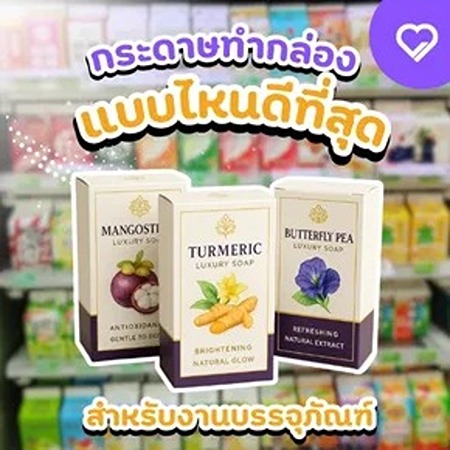
When it comes to packaging, one indispensable element is box paper. Paper is the heart of box production—whether for food boxes, cosmetic boxes, fruit boxes, or even mailing boxes. The paper you choose directly affects the strength, appearance, and brand image of the product.
Many people wonder… Which type of box paper is the best choice? This article introduces the box-paper types most commonly used in packaging, their pros and cons, and practical tips for choosing the right option for each product category.
Why choosing the right box paper matters
Selecting box paper isn’t just about looks—it involves multiple properties, such as:
-
Strength: Supports product weight without deforming.
-
Durability: Resists moisture and tearing.
-
Brand image: Quality paper increases perceived value and credibility.
- Production cost: Choose appropriately to control expenses.
Popular types of box paper
1. Boxboard
-
Characteristics: Available as white-back (GC) and grey-back (GD).
-
Advantages: Low cost, lightweight, prints beautifully.
-
Best for: Bakery boxes, soap boxes, snack boxes.
2. Art Card Paper
-
Characteristics: Smooth, glossy surface with crisp color reproduction.
-
Advantages: Excellent for high-quality printing; supports gloss or matte lamination for a premium feel.
-
Best for: Cosmetic boxes, cream jars, premium products.
3. Corrugated Paper
-
Characteristics: Multi-layered with strengthening flutes, e.g., E-flute, B-flute.
-
Advantages: Durable and suitable for shipping.
-
Best for: Mailing boxes, fruit boxes, large cartons.
4. Chipboard
-
Characteristics: Thick, rigid paper made from recycled pulp.
-
Advantages: Holds shape well; ideal for high-durability needs.
-
Best for: Premium rigid boxes, book boxes/slipcases, gift boxes.
5. Kraft Paper
-
Characteristics: Brown paper with high tensile strength.
-
Advantages: Strong and eco-friendly.
-
Best for: Healthy/eco food boxes, eco-line packaging, nature-themed products.
Tips for choosing the right box paper for your product
-
Product weight – For light items (snacks, cosmetics), boxboard or art card is sufficient; for fruit or heavy items, choose corrugated.
-
Brand image – Premium products pair well with art card or chipboard with special finishes.
-
Production cost – For tighter budgets, choose grey-back boxboard; for luxury appeal, opt for art card or chipboard.
-
Shipping – For e-commerce, use strong corrugated paper to reduce transit damage.
-
Value-adding finishes – Consider post-press options like Spot UV, foil stamping, or matte lamination to attract customers.
Box paper and sustainability
Eco-friendly packaging is trending. Box papers made from recycled fibers, such as kraft or chipboard, are increasingly popular, helping reduce environmental impact and appealing to modern, eco-conscious consumers.
Tips for ordering packaging production
-
Choose a printing house with modern machinery and packaging expertise.
-
Request real paper samples before production to assess thickness and strength.
-
Verify the dieline matches the product to avoid delays and extra costs.
- Ensure the print process supports special finishes to elevate your packaging.
Frequently Asked Questions about Box Paper
Question 1: How many types of box paper are there, and which are most popular?
Answer: Common types include boxboard, art card paper, corrugated paper, chipboard, and kraft paper—each with distinct strengths. The most popular choices are art card paper for premium retail boxes and corrugated for shipping boxes, thanks to their strength and sharp print quality.
Question 2: What should I consider when choosing box paper for my product?
Answer: Consider:
-
Product weight and fragility,
-
Desired brand image and luxury level,
-
Production cost and order quantity,
- Shipping durability. For premium goods, choose art card or chipboard; for high-volume shipping, choose corrugated.
Question 3: Which box papers are eco-friendly?
Answer: Kraft paper and chipboard are considered eco-friendly box papers because they are made from recycled fibers and are easily biodegradable, helping reduce environmental impact and enhancing brand image.
Question 4: How does an art card box differ from a boxboard box?
Answer: Art card boxes have a smooth, glossy surface with crisp print—ideal for premium products like cosmetics and perfumes. Boxboard is more affordable and lighter—great for snacks, bakery items, or soap. Both are popular box papers used for different product segments.
Question 5: If I need maximum strength, which paper should I use?
Answer: For high durability, choose corrugated paper, which supports heavier weights well. For premium gift or book boxes, choose chipboard, which is thicker and more rigid.
Question 6: Does the choice of printing house affect box paper quality?
Answer: Absolutely. Even with good paper, if the printer lacks expertise, uses unsuitable design, or has outdated machinery, the final boxes may fall short. Choose a printing house with solid experience and professional guidance on box-paper selection.