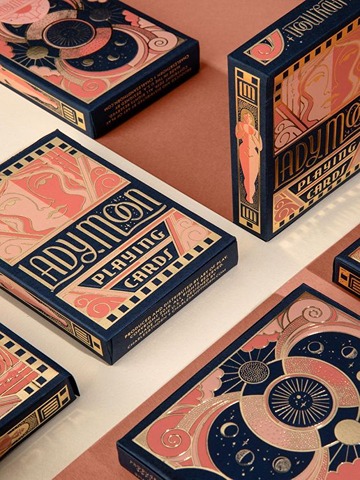

What is Art Card Paper?
Art card paper, commonly called “art card,” comes in both single-coated (one smooth side) and double-coated (both sides smooth) variants. It is a heavyweight, durable paper known for its quality—heavier than ordinary paper.
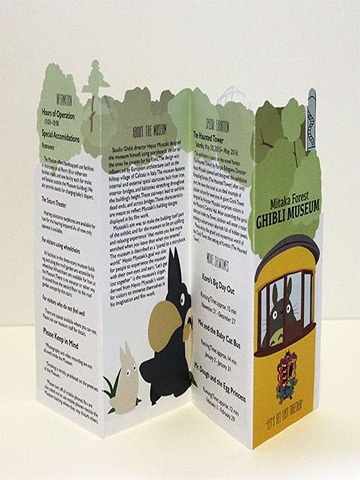
Today it is widely used for visually appealing prints such as business cards, brochures, leaflets, postcards, and packaging boxes.
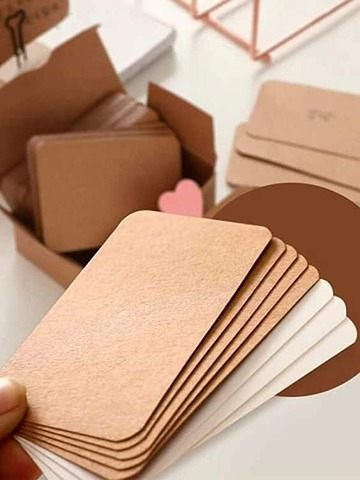
What makes art card different from other paper stocks
Art card stands out for its noticeably heavier, thicker surface. The added thickness increases durability. A coating creates a smooth, uniform surface that helps inks and colors adhere well—delivering vivid color and crisp detail.
Why the paper’s properties matter
-
Print quality
Surface smoothness, weight, and absorption greatly influence print quality—sharp images and vibrant colors—so the output matches the intended design.
-
Durability and longevity
In business materials, durability is crucial. Thickness and strength help items withstand handling, shipping, and time while maintaining condition.
-
Branding and identity
For businesses, art card serves as a branding canvas. Its ink holdout and color fidelity keep logos and graphics consistent, aiding brand recognition.
-
Customization
Understanding art card properties enables informed choices—from selecting the right caliper (weight) to choosing finishes aligned with the design.
How many types of art card are there?
There are two: single-sided art card and double-sided art card.
1. Single-sided art card
Coated on one side only; the uncoated back remains matte. The coated face takes ink and color exceptionally well for extra clarity and vibrancy.
Great for front-focused pieces such as packaging boxes, posters, and leaflets where a striking front is needed.
2. Double-sided art card
Coated on both sides—ideal for two-sided prints. It ensures uniform surface and print quality on each side so both design and content stand out.
Perfect for greeting cards, postcards, wedding invitations, and any print that must look good on both sides.
Best uses for art card
1. Business cards: Adds a premium look; smooth surface yields sharp, vibrant colors and a strong first impression.
2. Brochures & leaflets: Suitable for catalogs and event promos; paper quality helps your message pop.
3. Postcards: Enhances image vibrancy and charm for recipients.
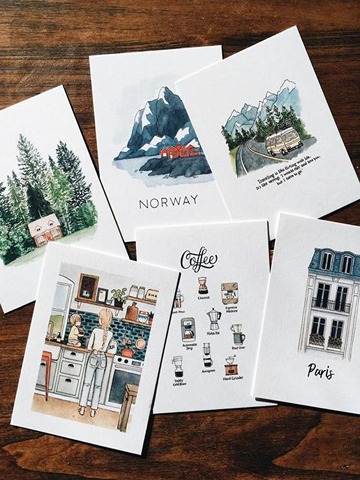
4. Invitations & greeting cards: Durable with a silky surface—great for premium, personal-feel cards.
5. Photo prints: Smoothness boosts sharpness and color accuracy.
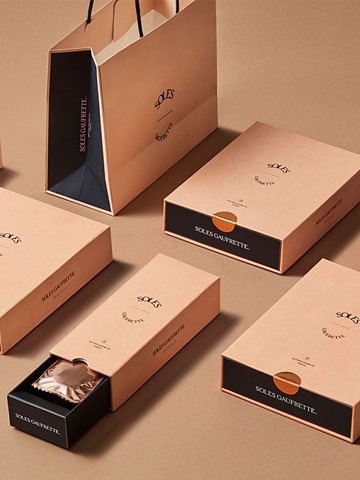
6. Packaging boxes: Popular as the main substrate for folding cartons—strong protection and a slightly glossy, luxurious exterior.
7. Learning materials: Ideal for charts, diagrams, and illustrations with clear, lively colors.
8. Certificates & diplomas: High-quality surface elevates important documents.
9. Calendars: Excellent ink holdout keeps images vivid and crisp.
10. Product labels: Smooth surface suits intricate designs and fine text—details stay sharp and accurate.
11. Bookmarks: Durable for frequent use; resists creasing and protects pages.
12. Promotional materials: From posters to direct-mail postcards to attract attention.
Benefits of this paper
- Versatility: Works for many media—cartons, posters, leaflets, etc.
- Durability: Thick and robust; resists wear and supports weight.
- Smooth, uniform surface: Delivers vivid, sharp color and preserves fine detail.
- Longevity: Resists fading and degradation over time.
- Size variety: Available from small to large formats.
- Excellent ink absorption: Produces crisp imagery.
- Color vibrancy: Smoothness enhances true-to-life color.
- Professional presentation: Ideal for brochures, flyers, cartons, and business cards.