




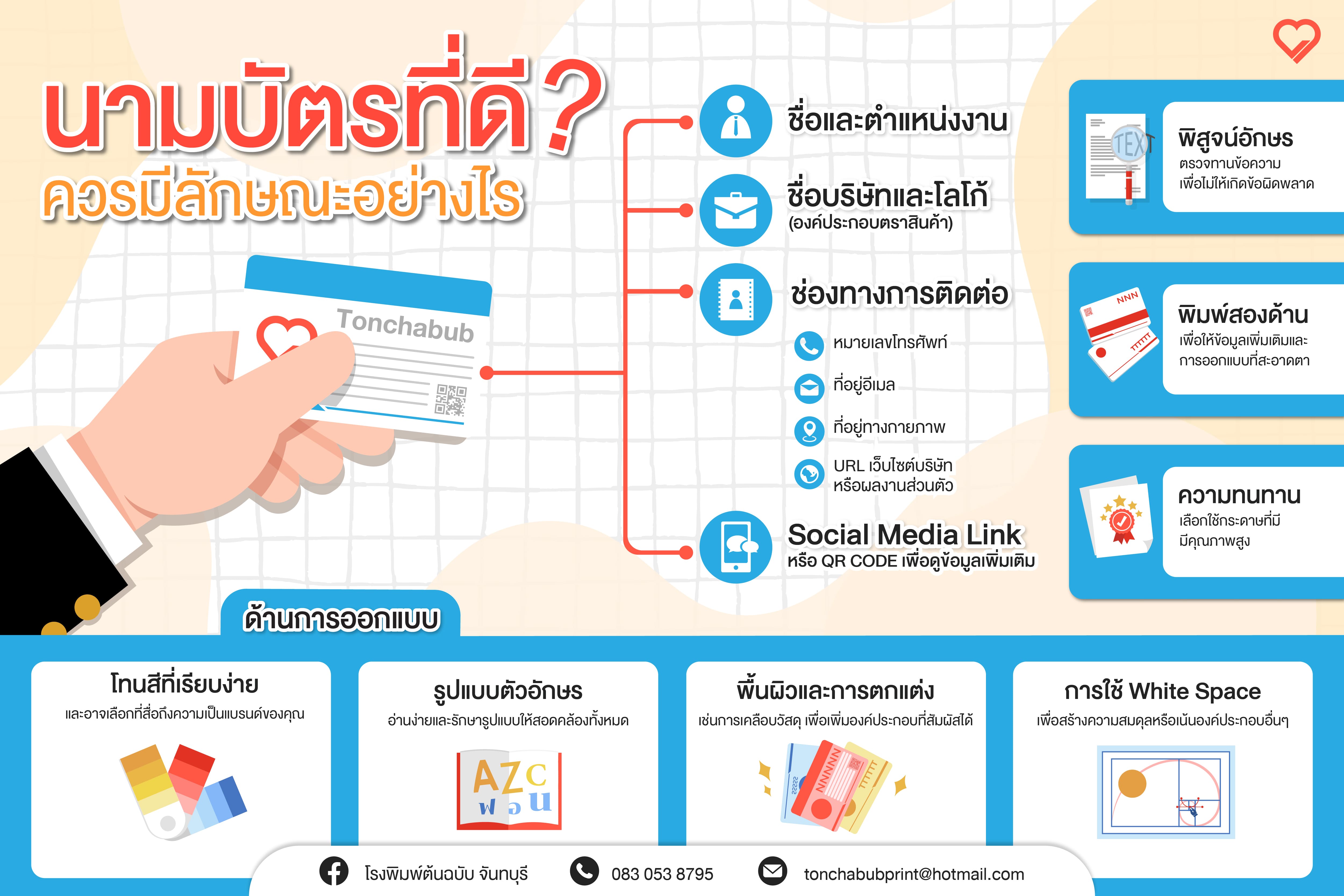
A good business card is a business card designed to impress prospects, partners, or contacts at first sight. To make your card effective, it should signal professionalism, brand identity, and essential details. Below are three important aspects of a great business card.
Content
- Name: Your full name should be highly visible as the most important detail.
- Job Title: Your position in the company (if any) helps recipients understand your role.
- Company Name: Include it when representing a company/organization to add professional context.
- Contact Channels:
- Phone Number(s): At least one—office and/or mobile.
- Email Address: A professional address you check regularly.
- Physical Address: Your business or office location, if applicable.
- Website URL: Company site or personal portfolio where relevant.
- Logo & Brand Elements: Logo, brand colors/patterns to reinforce recognition.
- QR CODE: Link to your website, LinkedIn, or other online profile when scanned.
- Social Media Links: Icons/links to professional profiles (e.g., LinkedIn, Twitter, Instagram) if space permits.
Design
- Color Palette: Align with your brand/personal taste while maintaining readability and professionalism.
- Typography: Choose legible fonts and keep styles consistent; ensure sizes are readable.
- Textures & Finishes: Consider matte/glossy/embossed finishes for a tactile, standout feel.
- White Space: Use white space to achieve balance and clarity; avoid overcrowding.
Pre-print Checks
- Proofreading: Review thoroughly before printing to remove typos and errors.
- Two-Sided Printing: Use both sides for cleaner layout or extra info; the back can host a QR code, extra contacts, or a short company blurb.
- Durability: Use quality cardstock/paper so the card withstands wear and tear.
A good business card should represent your brand effectively, provide essential contact information, and leave a positive, memorable impression. Keep it simple, professional, and consistent with your brand identity for maximum impact on your business connections.