




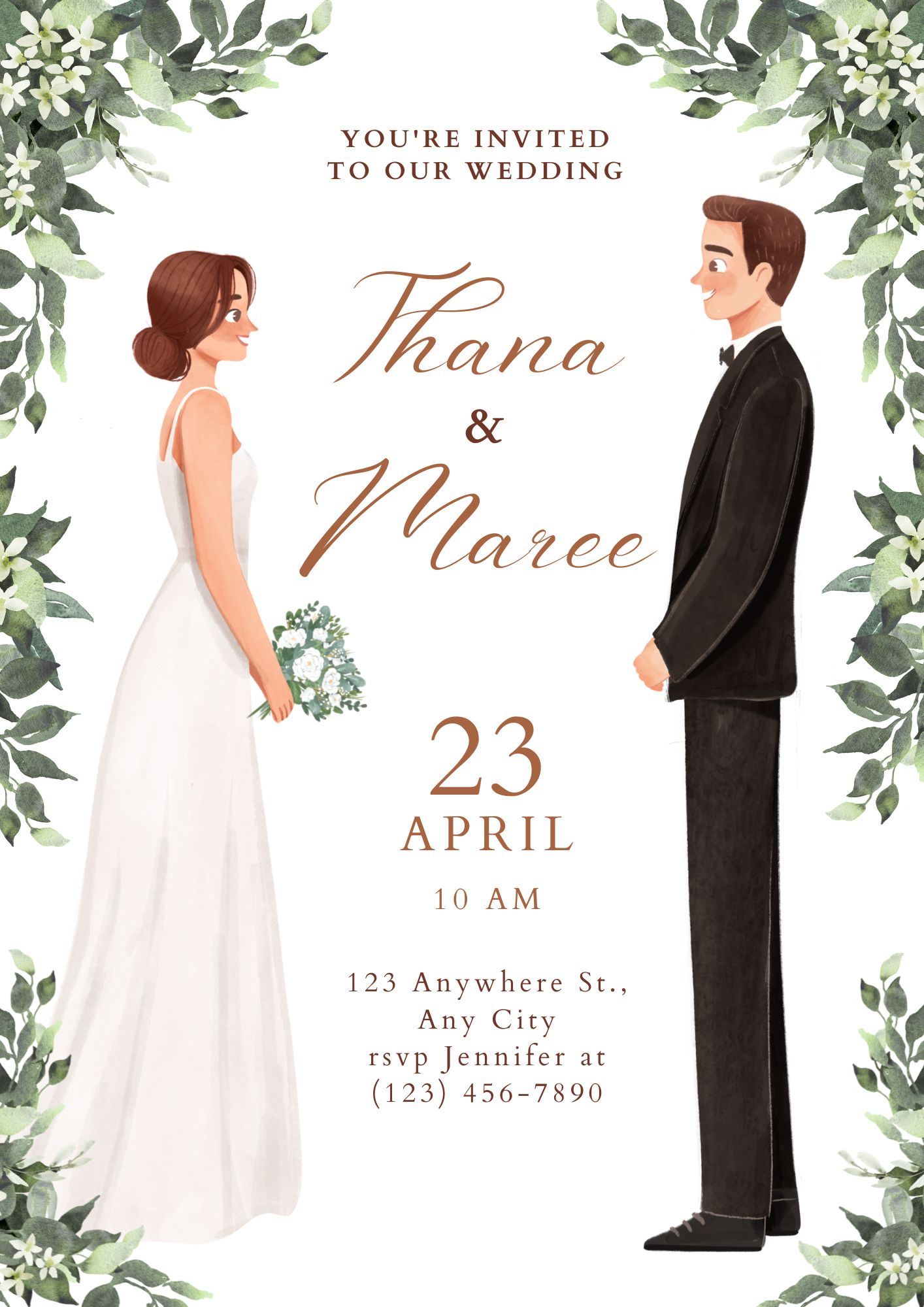

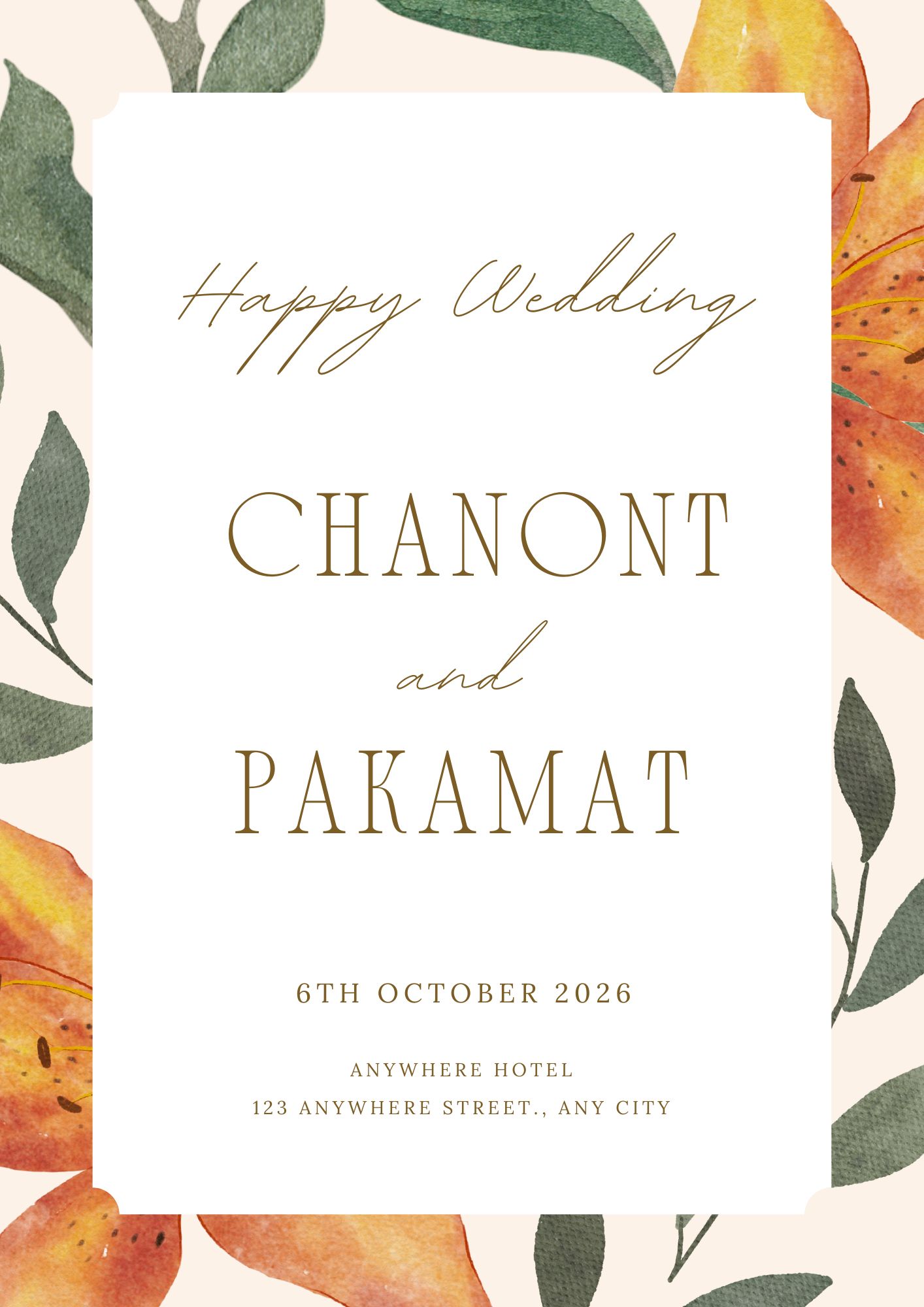
Traditionally in Thai culture, ordination and funeral invitation cards have long been important tools to notify and invite guests to family events. Even in the digital era, printed cards remain popular for their formality, warmth, and respect toward recipients. If you are planning an ordination or funeral and want to design an invitation card that is respectful yet cost-efficient, here are some practical guidelines.
1. Choose appropriate colors and fonts
For ordination cards, popular tones are white, gold, yellow, or light green—conveying brightness, calmness, and auspiciousness. For funeral cards, subtle tones like white, grey, cream, or black are more suitable, avoiding bright colors. Fonts should be simple, respectful, and easy to read—avoid decorative or fancy styles.
2. Card size and paper material
To save budget, standard sizes such as A6 (105 × 148 mm) or 4 × 6 inches are widely used. Recommended papers include 100–120 gsm bond paper or 190+ gsm art card, depending on durability and cost considerations.
3. Printing style and finishing
For cost control, 1–2 color printing is recommended instead of full-color. Premium finishes like embossing, foil stamping, or lamination should be reserved for special cases or if extra budget is available.
4. Essential information to include
- Event name (e.g., Ordination, Funeral)
- Organizer’s name and relation to the host
- Date, time, and venue
- A polite invitation message
- Additional details such as a map, QR Code, or thank-you note
5. Print quantity and planning
Printing in larger quantities lowers unit cost. Calculate guest numbers carefully before ordering. If on a tight budget, print slightly fewer with a small reserve. Always choose a printer experienced in ordination/funeral cards for proper advice.
6. DIY design vs. hiring a designer
To minimize costs, ready-made templates from websites or design tools (e.g., Canva, Word, PowerPoint) can be customized. For unique or elegant styles, hiring a professional designer is an option, though with added cost.
7. Consider digital invitations (e-Cards)
As a modern alternative, digital invitations sent via Line, Facebook, or email are eco-friendly and save printing/shipping costs. They are easy to customize and distribute instantly.
Conclusion
Designing ordination and funeral cards that are both respectful and economical depends more on proper choices—colors, fonts, content, size, and paper—than on luxury. With the right approach, you get invitations that honor recipients while staying within budget.
For those interested in printing ordination/funeral cards, consult an experienced printing house for professional guidance and support.