




What Is a Receipt (Bill of Sale)?
A receipt is an essential financial document that serves as proof of a transaction between two parties (typically buyer and seller). It plays a fundamental role in both business and personal finance by recording purchase details such as items/services acquired, quantity, price, applicable taxes, and total amount paid. Receipts matter to individuals and businesses alike, supporting budgeting, tax compliance, dispute resolution, and more.
At its core, a receipt preserves transaction data as legal and financial evidence and should clearly display all details. It can take various forms, from paper receipts issued in-store to digital receipts for online purchases. Understanding what a receipt contains—and why it matters—is crucial for effective financial management.
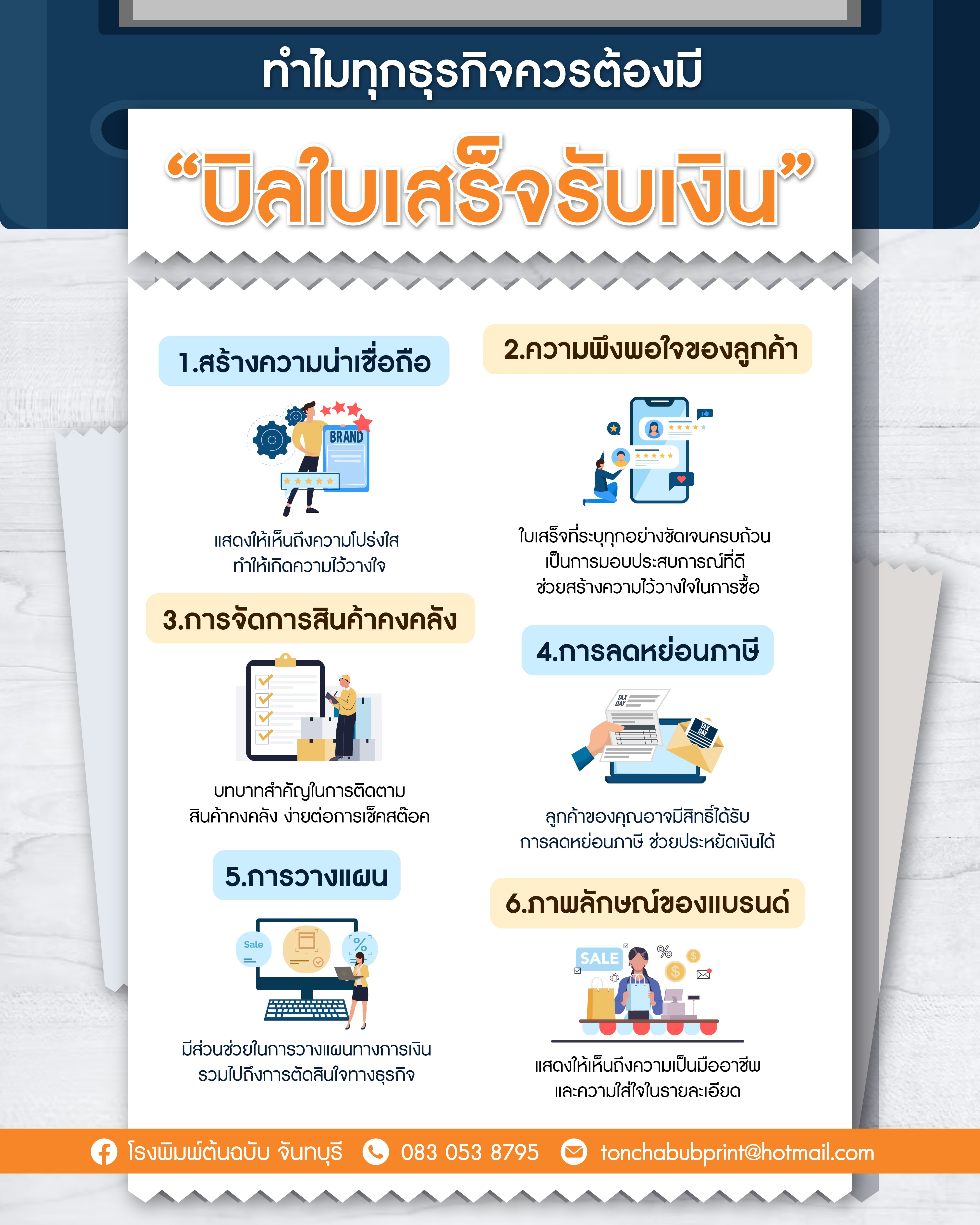
Why Every Business Should Issue Receipts
- Builds Trust
Clear, transparent receipts help customers see exactly what they paid for—reducing confusion and potential disputes. - Improves Customer Satisfaction
Itemized costs and taxes make transactions easy to understand, conveying professionalism and encouraging repeat business. - Supports Inventory Management
Receipt details feed stock tracking—simplifying counts and revealing quantities/costs of goods sold. - Enables Tax Deductions
Customers may use detailed receipts to claim eligible tax deductions, potentially saving money. - Informs Planning
Comprehensive receipts strengthen record-keeping, improving financial planning and business decision-making. - Elevates Brand Image
Consistently clear, detailed receipts reflect professionalism and attention to detail—setting your brand apart.